 Dry Home Advice
 Free interactive tool
Damp checker UK: condensation and mould risk calculator
Use this free damp checker to screen wet windows, mould risk, musty smells, cold rooms and indoor-laundry moisture. It helps answer “do I need a dehumidifier?”, “is this condensation or damp?” and “what dehumidifier do I need?” before you buy anything.
Best use
Diagnose the damp problem before buying
A wet bedroom window, cold garage, mouldy wardrobe and laundry-heavy flat are different problems. This tool routes you to the most sensible next step instead of pushing everyone to the same product.
What the result means
The tool is designed to route you to a practical next step: measure first, ventilate, use a window vac, choose desiccant for cold rooms, choose compressor for heated rooms, or investigate a repair issue.
Repair warning signs
Damp patches after rain, salt marks, rising tide marks, wet walls, failed gutters or roof leaks should be treated as building issues first. A dehumidifier can dry symptoms but will not fix the source.
Visual buying routes
What each checker result usually points to
These are not automatic recommendations for everyone. They show the product category or next page that normally fits each diagnosis route.

Humidity monitor
Best if you do not know whether the room is actually too humid.
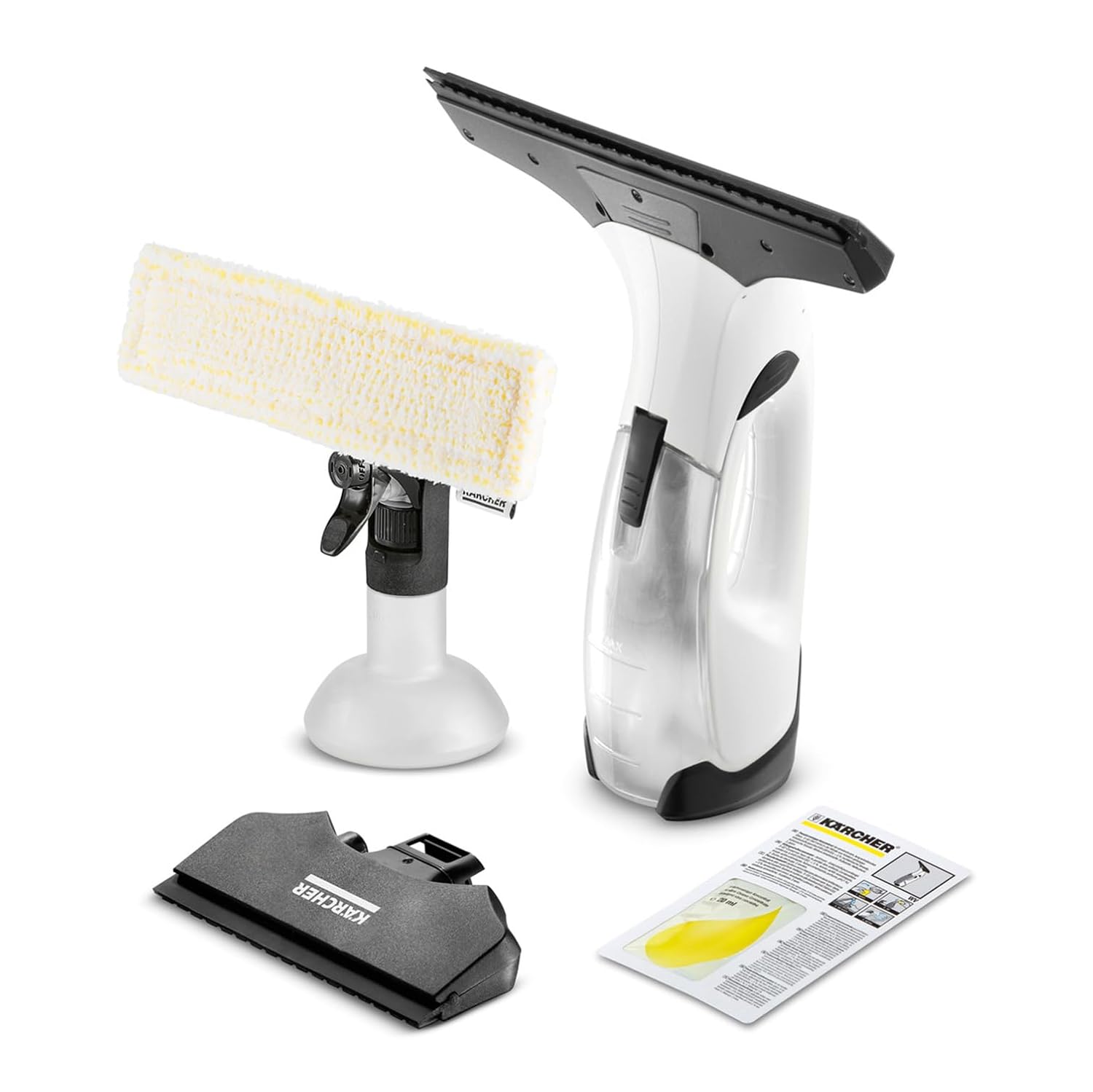
Window vac
Useful for clearing morning condensation while you fix the moisture source.

Desiccant dehumidifier
The route to compare when garages, conservatories or spare rooms stay cold.

Large compressor
For homes where wet washing is pushing humidity up most days.
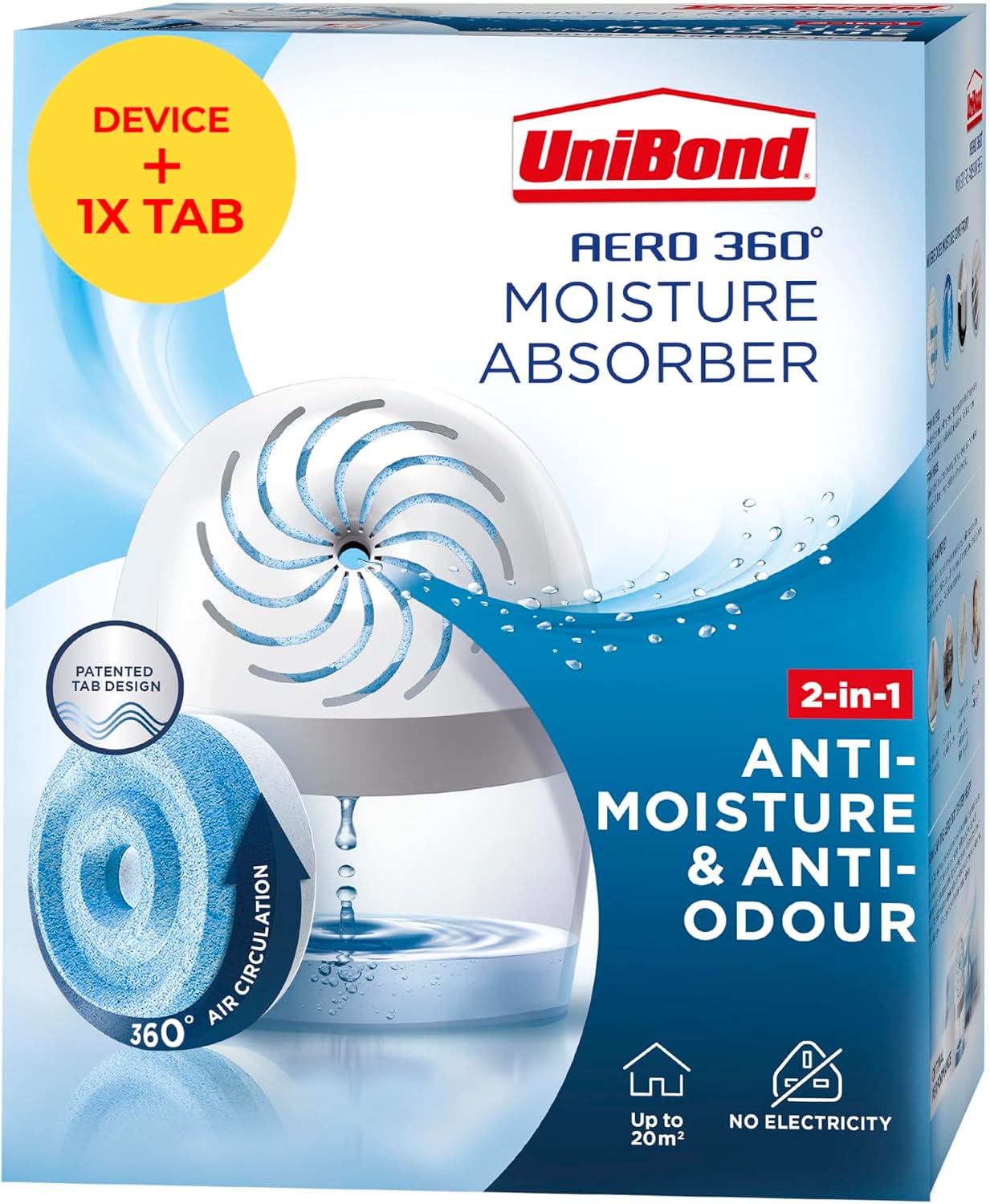
Passive absorber
For wardrobes and tiny enclosed spaces, not whole damp rooms.

Mould clean-up
Clean after controlling the moisture source so it is less likely to return.
Condensation checker
If you search for a condensation checker because bedroom windows are wet every morning, start with the symptom, time of day and cold-surface questions. The result will usually point to ventilation, a window vac, a hygrometer or a quiet dehumidifier depending on humidity and severity.
Condensation is usually worst after warm moist air meets a cold surface. That is why bedrooms can look fine in the evening but have streaming glass in the morning. The checker asks when the problem appears because morning-only wet windows often need a different routine from walls that stay damp all day.
Mould risk calculator
If you are worried about mould risk, enter the closest humidity band and whether mould is already visible. Persistent readings above 60–65% RH, cold walls, wardrobes and poor airflow all raise the risk score.
The score is not a lab measurement, but it is useful for deciding what to do next. A room at 58% RH with occasional wet glass is different from a cold bedroom above 70% RH with mould behind furniture. The second room needs faster action and a closer look for hidden cold spots.
Do I need a dehumidifier?
The checker does not automatically say “buy a dehumidifier”. If humidity is unknown it may recommend a humidity monitor first. If the room is cold it may recommend desiccant. If the issue is rain-linked damp it warns against buying a product before checking the building.
A dehumidifier makes most sense when the room repeatedly sits above the comfortable humidity range and the moisture source is ordinary household living: breathing, showering, cooking, wet washing, poor ventilation or cold glass. It is less sensible when the wall is wet after rain, a gutter has failed, or damp is rising from the floor.
What dehumidifier do I need?
For product choice, the tool separates heated rooms from cold rooms and laundry-heavy rooms. Warm bedrooms usually suit compressor models; garages and conservatories often need desiccant models; indoor laundry may need a larger capacity machine.
If the result points to a product, use the room and temperature first, not just litres per day. A compact 12L compressor can be ideal in a heated bedroom but poor in a cold garage. A desiccant can be excellent in winter spaces but may be noisier and warmer-running than some people want in a bedroom.
How to use the result
How to tell if it is damp, condensation or a humidity problem
Most people arrive at this page because they can see a symptom but do not know the cause. Wet windows look like a window problem, mould behind a wardrobe looks like a mould problem, and a musty bedroom can feel like a vague “damp house” problem. In many UK homes the root issue is the same: warm air holds moisture, the room cools, the moisture finds the coldest surface, and condensation appears. But not every damp problem is condensation, and that distinction matters before you spend money.
Use the checker as a triage tool. If your answers point to normal indoor moisture, the next step may be a better ventilation routine, a hygrometer, a window vac, or a dehumidifier. If your answers point to rain-linked damp, tide marks, wet walls that do not dry, or damp appearing in the same patch after bad weather, the next step is not an affiliate product. It is checking gutters, roofs, pointing, external ground levels, plumbing, insulation gaps or getting a professional opinion.
The best way to avoid wasting money is to measure the room for a few days. A cheap humidity monitor placed away from radiators and windows can show whether the room is genuinely staying above 60–65% relative humidity, whether the problem only spikes after showers or laundry, or whether readings are normal and the issue is local cold glass. That is why this page links to the humidity chart and size calculator after the result.
Damp checker table: symptom, likely cause and next step
| What you see | Likely explanation | Best next step |
|---|---|---|
| Wet bedroom windows in the morning | Overnight condensation on cold glass | Use the checker, measure morning humidity, improve ventilation, consider a window vac or quiet dehumidifier. |
| Black mould around window sealant | Repeated condensation and poor airflow near the frame | Clean safely, reduce humidity, keep air moving and stop wet glass sitting for hours. |
| Musty wardrobe or damp clothes smell | Still air, cold wall, packed clothes and local high humidity | Move furniture off cold walls, improve airflow, measure humidity, use passive absorber only for small enclosed spaces. |
| Condensation after drying clothes indoors | Laundry is adding litres of water to indoor air | Use extraction, airflow and a stronger dehumidifier route if laundry is regular. |
| Damp garage or conservatory in winter | Cold air, low surface temperatures and reduced compressor performance | Compare desiccant dehumidifiers and avoid assuming every compressor model will work well. |
| Wall patch appears after rain | Possible penetrating damp, gutter, roof, pointing or external defect | Investigate repair causes first; do not rely on a dehumidifier as the fix. |
| Tide marks or damp low on wall | Possible rising damp or bridging issue | Get the source checked before buying moisture-control products. |
Room-by-room damp risk guide
Bedrooms: Bedrooms often look worst in the morning because people breathe moisture into a room while doors and windows are closed. If the glass is wet but the room dries during the day, start with a humidity reading, trickle vents if available, door positioning and a quiet bedroom dehumidifier only if the readings stay high. If mould is behind furniture, move furniture away from external walls and check the room corners carefully.
Bathrooms: Bathrooms should be treated as extraction problems first. If mirrors, windows and walls stay wet long after showering, the extractor may be weak, blocked, poorly timed or unused. A dehumidifier can help nearby rooms, but it should not be the first fix for a bathroom with poor extraction. Use the checker result alongside the extractor-fan guide if bathroom moisture spreads into bedrooms or hallways.
Utility rooms and laundry rooms: Drying clothes indoors is one of the biggest avoidable moisture loads. If your result points to laundry moisture overload, a passive absorber will not touch the problem. You need airflow, heat or extraction, plus a dehumidifier sized for repeated laundry sessions. This is where a larger compressor model can make more sense than a tiny bedroom unit.
Garages, conservatories and cold spare rooms: Cold spaces are where many people buy the wrong type. A compressor dehumidifier may be excellent in a heated living room but less effective when the air is cold. A desiccant model is often the better route in a cold garage, conservatory, caravan or winter utility room. The checker flags those answers because temperature changes the buying decision.
Wardrobes and cupboards: Small enclosed spaces often need airflow first. Pull clothes away from the back wall, avoid overpacking, check for external-wall cold spots and leave doors open periodically. A passive absorber can help a tiny enclosed space, but if the whole room is above 65–70% RH, a room dehumidifier or ventilation fix is more realistic.
Flats and rented homes: Flats often combine limited ventilation, indoor laundry, small rooms and colder external walls. If you rent, document the issue with photos, dates and humidity readings. The checker can help you decide what to try yourself, but serious mould, leaks, failed extraction or structural damp should be raised with the landlord or managing agent.
Humidity bands for mould and condensation risk
| Reading | What it usually means | What to do |
|---|---|---|
| Below 40% RH | Often dry for ordinary living spaces | A dehumidifier is unlikely to be the priority unless readings are wrong or local condensation is severe. |
| 40–60% RH | Typical target range for many homes | Watch for cold surfaces and morning condensation, but avoid overreacting to one normal reading. |
| 60–65% RH | Watch zone, especially in winter | Improve ventilation, track morning readings and look for cold corners or furniture against external walls. |
| 65–70% RH | Higher mould and condensation risk if persistent | Use the checker result to choose ventilation, dehumidifier type or repair investigation. |
| Above 70% RH | High risk if repeated | Act quickly: reduce moisture sources, check extraction, look for leaks and compare the right dehumidifier type. |
Relative humidity is only part of the story. A room at 60% RH can still get condensation on very cold glass, and a room at 70% RH for one hour after a shower is less worrying than a bedroom above 70% all night. Use patterns over time rather than one isolated number.
When a dehumidifier is worth buying
A dehumidifier is worth considering when humidity stays high for ordinary household reasons and the room cannot dry itself quickly. Common examples include a bedroom with repeated morning condensation, a flat where washing has to dry indoors, a utility room without strong extraction, or a cold conservatory that smells musty in winter. In those cases a dehumidifier is not magic, but it can reduce the amount of water in the air and make the room easier to manage.
The type matters. A compressor dehumidifier is usually the everyday choice for heated UK rooms. A desiccant dehumidifier is often better for cold rooms. A larger capacity machine may be needed for laundry or open-plan flats. A small passive absorber is only suitable for tiny spaces such as cupboards, wardrobes or cars. The checker’s job is to prevent the common mistake of buying a tiny cheap device for a whole damp room or buying a cold-room machine for a warm bedroom where noise matters more.
Before buying, ask three questions. Is the room regularly above 60–65% RH? Is the moisture source something a product can realistically reduce? Is the room warm or cold? If you can answer those, the product shortlist becomes much easier.
When not to buy a dehumidifier yet
Do not buy a dehumidifier as the first answer to every damp symptom. If damp appears after rain, the wall feels wet in the same place, plaster is crumbling, there are tide marks, skirting boards are swollen, or the problem tracks an external wall or chimney breast, investigate the building first. A dehumidifier can dry air, but it cannot repair a roof, gutter, pipe, render crack, bridged damp course or failed seal.
Also be careful if the humidity reading is normal. Some people buy a dehumidifier because they see condensation on one window, but the room itself is not especially humid. In that case the issue may be very cold glass, poor air movement near curtains, closed trickle vents or a local cold bridge. A window vac and ventilation routine may be more sensible than running a large appliance every day.
If anyone in the home has health symptoms, asthma concerns, extensive mould exposure or damp affecting a baby room, treat the checker as a starting point only. Clean-up and moisture control matter, but medical or professional advice may also be needed. Dry Home Advice gives household guidance, not medical or surveyor advice.
Best next page by checker result
| Checker result | What it means | Next page |
|---|---|---|
| Measure first | You do not have enough data yet | Best humidity monitors |
| Condensation checker result | Wet windows are the main symptom | Stop condensation overnight |
| Cold-room dehumidifier | Temperature is low enough to affect product choice | Meaco DD8L review |
| Compressor dehumidifier | Warm room with persistent humidity | Best dehumidifiers UK |
| Laundry moisture overload | Indoor washing is likely driving RH up | Best dehumidifier for drying clothes |
| Repair warning signs | Possible building source | Condensation vs rising damp |
A simple 7-day damp checking routine
If you are not sure which answer to choose in the checker, run a short test before buying anything. Put a humidity monitor in the problem room, away from the radiator, window glass and direct sunlight. Take one reading when you wake up, one reading in the evening, and one reading after any obvious moisture event such as showering, cooking or drying clothes indoors.
Write down the humidity percentage, room temperature, whether the windows were wet, whether laundry was drying, and whether the room door or trickle vents were open. After a week, patterns are usually obvious. If the room is only high after showers, extraction is the first thing to improve. If it is high every morning in a bedroom, overnight condensation control matters. If it is high all day in a cold room, the result will usually point towards a cold-room dehumidifier route.
This routine is also useful if you rent. Photos of mould are helpful, but dated humidity readings, temperature readings and notes about when condensation appears give a clearer record. They show whether the problem is ordinary lifestyle moisture, poor extraction, a cold surface issue or something that may need repair. Use the checker again after the 7-day log and the result will be more reliable.
Do not aim for the lowest possible humidity. A comfortable UK indoor target is usually around 40–60% RH. The goal is not to make the room bone dry; it is to stop long periods above the mould-risk zone and reduce wet surfaces that stay damp for hours.
Useful next steps after the checker
If the checker points to high room humidity, compare products by room type and temperature. If it points to unknown humidity, start with a monitor and track morning readings for a week.
Frequently asked questions
How does the damp risk checker work?
The checker combines room type, temperature, relative humidity, visible symptoms, ventilation and indoor laundry habits to suggest the most likely next step. It is a practical buying-guide tool, not a professional damp survey.
What humidity level is risky for mould?
Persistent readings above about 60–65% relative humidity raise the risk of condensation and mould, especially near cold walls, window reveals, wardrobes and behind furniture. Brief spikes after cooking or showering are normal; long daily periods are the problem.
When should I choose a desiccant dehumidifier?
Choose or compare a desiccant dehumidifier when the room is regularly below about 15°C, such as a garage, conservatory, caravan, utility room or cold spare bedroom. Compressor models usually suit warmer heated rooms better.
Can this tool tell if I have rising damp or a leak?
No. If damp appears after rain, rises from the floor, spreads through walls, has salts/tide marks, or keeps returning despite ventilation and dehumidification, treat it as a repair/professional-inspection issue rather than a product purchase.
Is this a condensation checker?
Yes. If your main symptom is wet windows, morning condensation, mould near glass or damp bedrooms, the checker helps decide whether the next step is ventilation, a window vac, humidity monitoring or a dehumidifier.
Can it tell me if I need a dehumidifier?
It can suggest whether a dehumidifier is likely to help. If the room is warm and humidity stays high, a compressor dehumidifier may fit. If the room is cold, a desiccant model may be better. If humidity is unknown, measure first with a hygrometer.
Is this a mould risk calculator?
It is a practical mould-risk screening tool. It uses humidity bands, cold surfaces, mould symptoms, ventilation and room type to estimate whether the room is low, medium, high or very high risk.
Quick answer for Damp checker UK: condensation and mould risk calculator
The practical answer is to start with the moisture source, not the appliance. For this topic, the usual issue is mould marks, damp smells, black spots, wardrobes that smell musty and cold external walls. The right route is to clean visible mould safely, identify whether moisture is from indoor humidity or a building defect, and use a hygrometer to confirm the pattern. That keeps the decision grounded in what is happening in the room, rather than in marketing claims or a single capacity number.
In most UK and Irish homes, condensation problems come from a mix of moisture production, cold surfaces, limited ventilation and uneven heating. A dehumidifier can help when humidity stays high, but it is not the only tool. Sometimes the better first purchase is a hygrometer, a window vac, a better drying routine, or simply a more consistent ventilation habit.
Use this guide as a decision path. If the problem appears daily, measure it for a week. If it appears only after showers, cooking or laundry, fix the routine first. If it appears after rain or on one patch of wall, treat it as a possible building issue before buying anything.
How to diagnose the problem before spending money
A good diagnosis starts with three questions: when does the moisture appear, where does it appear, and what changed in the room just before it appeared? Morning window droplets usually point to overnight humidity meeting cold glass. Damp patches after rain point in a different direction. A musty wardrobe against an outside wall can be about trapped air and a cold surface rather than a whole-house humidity problem.
Take readings with a hygrometer in the middle of the room, away from windows and radiators. Check once in the morning, once after cooking or showering, and once before bed. If readings sit above 60% for long periods, especially with visible condensation or mould smell, moisture control is worth taking seriously. If readings are normal but one patch stays wet, do not assume a dehumidifier will solve it.
For Damp checker UK: condensation and mould risk calculator, keep notes for seven days. Write down the room temperature, relative humidity, weather, whether laundry was drying, whether windows were opened, and whether the glass or walls were wet. That simple log often shows whether the fix is ventilation, heating consistency, extraction, dehumidification or repair work.
What to buy first — and what not to buy yet
The safest buying route is usually: measure first if uncertain, clean up visible water or mould safely, then buy the smallest effective product for the room and moisture load. For this page, the most relevant buying route is a mould cleaner for surface clean-up, a hygrometer for diagnosis, and a dehumidifier only when high humidity is part of the cause. That avoids the common mistake of buying a powerful-looking appliance for a problem that is actually local, seasonal or caused by poor airflow.
Do not buy yet if the damp is localised, appears after rain, has tide marks, leaves salts, or sits around a chimney breast, external corner or plumbing line. Those symptoms may need repair advice. A dehumidifier can dry air around the problem but it cannot fix water entering the building fabric.
Also avoid painting over mould, assuming every damp patch is condensation, or using a dehumidifier to mask leaks, bridging or penetrating damp. Those mistakes waste money and can make the room feel better for a few days while the underlying cause continues. The aim is not just to make water disappear today; it is to stop the same pattern returning next week.
UK room-by-room decision guide
Bedroom: prioritise quiet running, moderate capacity and a sensible target humidity. A bedroom does not normally need the largest unit unless it is also used for drying laundry. Morning condensation on glass is common, but persistent mould on walls or furniture needs airflow and cold-surface checks too.
Bathroom: extraction comes first. If steam is not removed after showers, a dehumidifier placed in a nearby safe location can help the home recover, but it should not replace a working extractor fan. Never put a standard appliance where it can be splashed.
Laundry room or spare room: capacity matters more because wet clothing releases a lot of moisture. A heated airer can speed evaporation, but that moisture still has to go somewhere. If windows wet up during drying, use extraction or a dehumidifier with a laundry mode.
Garage, conservatory or cold utility space: temperature changes the decision. Desiccant models tend to make more sense in colder spaces, while compressors usually suit heated rooms. If the room is damp because rain is getting in, fix the leak first.