 Dry Home Advice
Problem guide
Condensation on windows: what it means and what to do next
Window condensation usually means warm moist indoor air is hitting cold glass. The fix is a mix of reducing moisture, improving airflow, warming surfaces and sometimes using the right product.

If windows are wet most mornings
Start with a 7-day humidity check. If readings stay high after reducing moisture sources, compare a bedroom-friendly dehumidifier, a hygrometer and a window vac rather than guessing from litres alone.
First checks
- Measure relative humidity with a hygrometer.
- Look for moisture sources: showers, cooking, unvented tumble dryers, drying clothes indoors.
- Check whether mould is limited to cold surfaces or whether there are signs of leaks or structural damp.
What to buy next
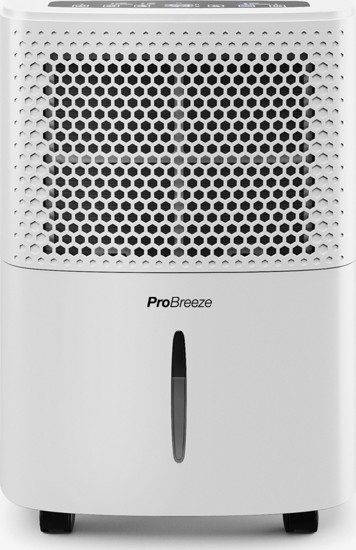
Research pick · UK
Pro Breeze 12L/Day
Best for: Budget flats, spare rooms, mild condensation
Compact compressor option for everyday condensation.
Trade-off: Smaller tank than larger premium models
Research pick · UK
Kärcher Window Vac WV 2 Plus N
Best for: Morning window water and glass clean-up
Removes water already sitting on glass.
Trade-off: Does not reduce room humidity by itself
Research pick · UK
ThermoPro TP53
Best for: Checking if you really need a dehumidifier
A simple screen for checking room humidity.
Trade-off: No remote app monitoring
Research pick · UK
UniBond AERO 360 Device
Best for: Wardrobes, cupboards and tiny spaces
Passive moisture absorption without electricity.
Trade-off: Much weaker than an electric dehumidifier
Daily routine that helps
Wipe heavy water from glass, ventilate after showers and cooking, avoid drying laundry in unventilated rooms, and aim to keep humidity in a healthy range. A dehumidifier helps most when the moisture source is everyday household activity rather than an unfixed leak.