 Dry Home Advice
Long-tail damp-control guide
Best mould remover spray UK: what to know before buying
Mould spray can clean visible staining, but it does not remove the reason mould grew. Treat cleaning as the first step, then reduce the moisture that made it possible.

What to check first
- Use a hygrometer for several days so you know whether humidity is actually high.
- Look for signs that point away from condensation: leaks, rain-linked patches, tide marks, blown plaster or plumbing faults.
- Separate everyday moisture sources such as showers, cooking and indoor laundry from structural damp.
- Keep affiliate product choices light until you know the room type, temperature and moisture source.
Products that may fit this problem
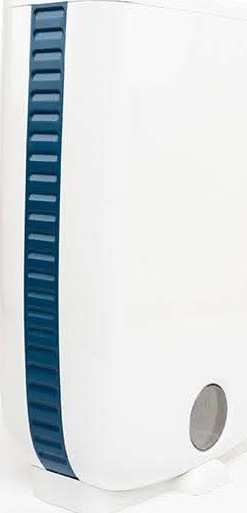
Research pick · UK
Meaco DD8L Portable/Compact
Best for: Garages, cold bedrooms, utility rooms
Desiccant technology suits cooler spaces.
Trade-off: Can use more power than a small compressor in warm rooms
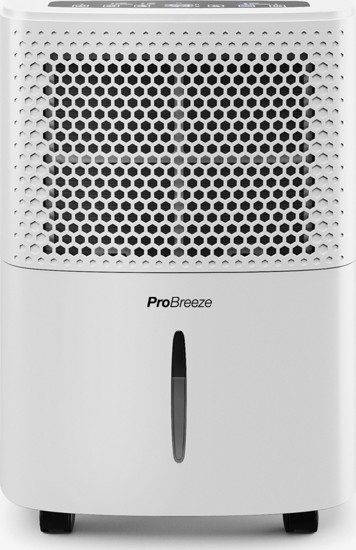
Research pick · UK
Pro Breeze 12L/Day
Best for: Budget flats, spare rooms, mild condensation
Compact compressor option for everyday condensation.
Trade-off: Smaller tank than larger premium models
Research pick · UK
Kärcher Window Vac WV 2 Plus N
Best for: Morning window water and glass clean-up
Removes water already sitting on glass.
Trade-off: Does not reduce room humidity by itself
Research pick · UK
ThermoPro TP53
Best for: Checking if you really need a dehumidifier
A simple screen for checking room humidity.
Trade-off: No remote app monitoring
Practical next steps
- Write down when the moisture appears: overnight, after showers, after rain, or after drying clothes.
- Improve extraction or ventilation at the source before relying only on a dehumidifier.
- Use a dehumidifier in the room where moisture is created or where air can circulate freely.
- Re-check humidity after a week. If readings stay high or mould returns quickly, investigate the building issue.