 Dry Home Advice
Long-tail damp-control guide
Mould behind furniture on an external wall
Mould behind furniture often appears where warm moist room air cannot circulate across a cold external wall. Pulling furniture away from the wall helps, but persistent wet patches, stains or crumbling plaster need investigation before buying gadgets.

What to check first
- Use a humidity monitor for several days so you know whether humidity is actually high.
- Look for signs that point away from condensation: leaks, rain-linked patches, tide marks, blown plaster or plumbing faults.
- Separate everyday moisture sources such as showers, cooking and indoor laundry from structural damp.
- Keep affiliate product choices light until you know the room type, temperature and moisture source.
Products that may fit this problem
Research pick · UK
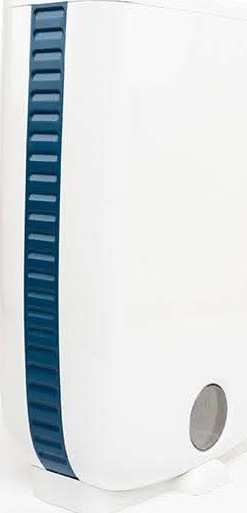
Meaco DD8L Portable/Compact
Best for: Garages, cold bedrooms, utility rooms
Desiccant technology suits cooler spaces.
Trade-off: Can use more power than a small compressor in warm rooms
Research pick · UK
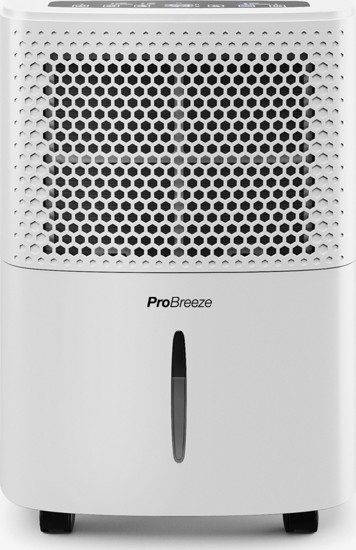
Pro Breeze 12L/Day
Best for: Budget flats, spare rooms, mild condensation
Compact compressor option for everyday condensation.
Trade-off: Smaller tank than larger premium models
Research pick · UK
Kärcher Window Vac WV 2 Plus N
Best for: Morning window water and glass clean-up
Removes water already sitting on glass.
Trade-off: Does not reduce room humidity by itself
Research pick · UK
ThermoPro TP53
Best for: Checking if you really need a dehumidifier
A simple screen for checking room humidity.
Trade-off: No remote app monitoring
Practical next steps
- Write down when the moisture appears: overnight, after showers, after rain, or after drying clothes.
- Improve extraction or ventilation at the source before relying only on a dehumidifier.
- Use a dehumidifier in the room where moisture is created or where air can circulate freely.
- Re-check humidity after a week. If readings stay high or mould returns quickly, investigate the building issue.