 Dry Home Advice
Passive vs electric comparison
UniBond Aero 360 vs electric dehumidifier
Passive absorbers can help in wardrobes and tiny enclosed spaces. They are not a substitute for an electric dehumidifier in a damp bedroom, laundry room or condensation-prone flat.
Quick verdict
Use UniBond for cupboards, not whole-room damp
If the problem is a musty wardrobe, passive absorbers may be enough. If windows are wet, laundry dries slowly or a room smells damp, compare electric models instead.
Wardrobes, cupboards, storage boxes and low-risk enclosed spaces.
Bedrooms, flats, laundry rooms and repeated window condensation.
Products to compare
Research pick · UK
UniBond AERO 360 Device
Best for: Wardrobes, cupboards and tiny spaces
Passive moisture absorption without electricity.
Trade-off: Much weaker than an electric dehumidifier
Research pick · UK
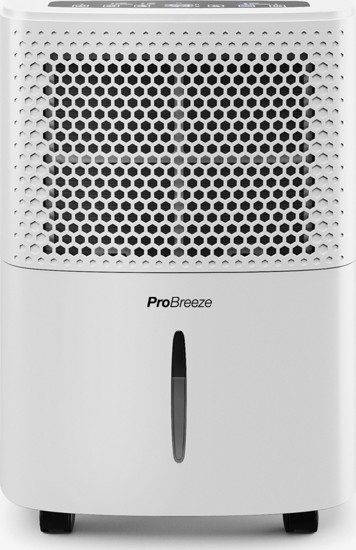
Pro Breeze 12L/Day
Best for: Budget flats, spare rooms, mild condensation
Compact compressor option for everyday condensation.
Trade-off: Smaller tank than larger premium models
Research pick · Ireland
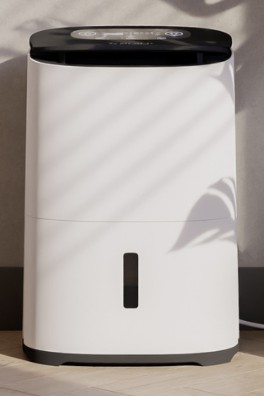
Meaco Arete Two 12L
Best for: Everyday condensation, bedrooms and flats
App control and a laundry mode for heated rooms.
Trade-off: Heavier than smaller budget models
Research pick · UK
ThermoPro TP53
Best for: Checking if you really need a dehumidifier
A simple screen for checking room humidity.
Trade-off: No remote app monitoring
Avoid the false economy
Passive absorbers are cheap but disposable and limited. If the room air is the problem, a proper dehumidifier is usually the more useful buy.